
The Hidden Dangers After Disaster: Why Treasure Coast Properties Are Prone to Secondary Damage
When disaster strikes your home or business—whether it’s a water leak, fire incident, or mold outbreak—it’s easy to focus only on what you can see. But what happens in the hours and days that follow can be even more damaging. These hidden and often overlooked risks, known as secondary damages, can quietly compromise the health of your structure, the safety of its occupants, and your financial investment.
At Rytech Restoration of the Treasure Coast, we specialize in helping property owners across Port St. Lucie, Fort Pierce, Vero Beach, Stuart, and nearby communities prevent these secondary issues through fast, professional intervention. In Florida’s coastal environment, humidity and weather patterns demand immediate and certified damage restoration in Port St. Lucie—anything less can be costly.
What Is Secondary Damage?
Secondary damage refers to the gradual or hidden effects that occur when the initial impact from water, fire, or mold isn’t fully mitigated. This damage typically results from excess moisture, delayed cleanup, or improper restoration methods. While primary damage may seem confined to one area, the reality is that spores, smoke, or moisture can travel to areas far beyond the original incident.
After water damage, mold may begin growing behind walls or under flooring. Fire damage can leave behind corrosive soot or lingering smoke particles that degrade surfaces and indoor air quality. And mold that’s not fully removed can lead to repeat contamination, especially if it spreads through air ducts or ventilation systems.
According to industry standards set by the IICRC (Institute of Inspection, Cleaning and Restoration Certification), the first 24 to 48 hours are critical. This is the window where timely mitigation can prevent most secondary damage from occurring.
Why Treasure Coast Properties Are at Greater Risk
“With coastal storms, high humidity, and a rising water table, secondary damage happens faster than most property owners realize. Even small water intrusions or minor fires can lead to hidden mold growth or smoke contamination within just a day or two. That’s why early professional mitigation isn’t just helpful—it’s essential for avoiding major repairs later.”
David MacInnes, Owner, Rytech Restoration of Treasure Coast
This region’s climate and geography contribute to elevated risks. Frequent summer storms and tropical systems bring heavy rainfall, storm surge, and wind-driven moisture. Even in dry seasons, humidity levels remain high enough to support mold growth inside vulnerable buildings.
Low-lying neighborhoods in Port St. Lucie and nearby areas are particularly susceptible to flooding and poor drainage, which can allow water to seep into crawlspaces and foundation areas. Older homes and stucco-clad structures also face unique challenges, especially when moisture gets trapped beneath surface materials.
Why Secondary Damage Is Often Worse Than the Original Disaster
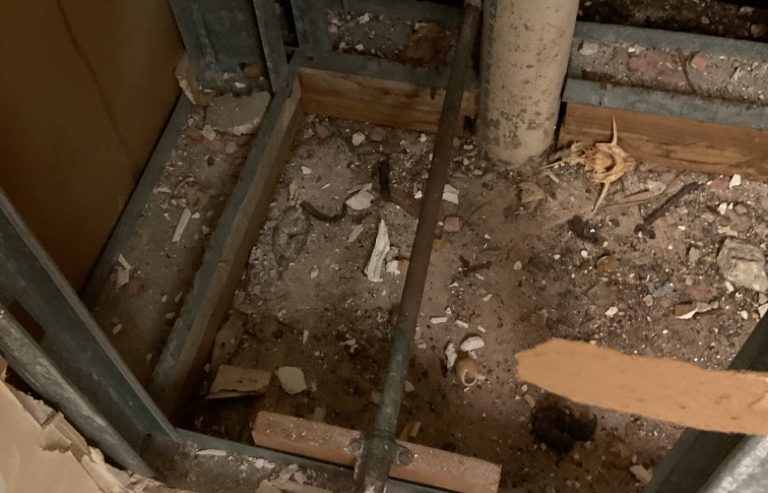
What seems like a simple cleanup job after a storm or small fire can spiral into a full-scale restoration if secondary damage is ignored. Moisture trapped in drywall or insulation leads to softening, rot, or black mold growth. Fire-damaged buildings may retain microscopic smoke particles in air vents, which continue circulating long after cleanup.
Health problems are another major concern. Mold spores and smoke residue can exacerbate allergies, asthma, and respiratory illness. For tenants, employees, or families living in a contaminated space, delayed action can mean living with an ongoing hazard.
Financially, the costs rise significantly the longer the issue goes unaddressed. Insurance claims may be denied or reduced if the adjuster finds that damage could have been prevented. And for business owners, lost time means lost revenue, especially when offices, retail spaces, or rental units must remain closed during repairs.
How Rytech Restoration of the Treasure Coast Prevents Secondary Damage
As a trusted Port St. Lucie damage restoration company, Rytech Restoration delivers rapid, certified response tailored to the region’s climate and building conditions. Our team of IICRC-certified technicians understands the science behind moisture, mold, and smoke behavior in humid environments, and we know how to stop secondary damage before it spreads.
We start with a comprehensive assessment using moisture meters, hygrometers, and thermal imaging to uncover hidden problems behind walls, under flooring, and inside ventilation systems.
Our water extraction and structural drying process involves commercial-grade dehumidifiers and air movers designed to reach into the most moisture-prone areas.
We contain and remediate mold with industry-approved techniques using HEPA filtration and negative air pressure chambers, while removing affected materials safely and restoring indoor air quality.
When responding to fire damage, we thoroughly clean all surfaces, neutralize lingering smoke odor, and check for corrosion or residue on electrical panels, fixtures, and appliances.
We also coordinate with insurance providers by documenting damage, sharing detailed inspection findings, and ensuring transparency throughout the restoration process.
Common Mistakes That Lead to Secondary Damage
Across the Treasure Coast, we’ve seen a few common missteps that property owners make—often with costly consequences.
Waiting too long to contact a certified restoration provider after spotting water, smoke, or mold
Using fans or opening windows in an attempt to “air out” moisture, rather than using commercial drying systems
Overlooking attics, crawlspaces, or wall cavities where damage may be hidden
Failing to inspect air ducts or HVAC systems after smoke or mold exposure
Assuming the property is safe once surfaces appear dry, without verifying deeper materials
What You Should Do If You Suspect Secondary Damage
If your Port St. Lucie property has recently experienced water intrusion, fire damage, or mold growth—or even if you're unsure about the extent of the damage—taking the following steps now can save you time, money, and future stress.
Contact Rytech Restoration of the Treasure Coast for a professional evaluation. We’re available 24/7 and can usually be on-site quickly.
Take photographs of visible damage and document when the incident occurred for insurance support.
Avoid disturbing suspected mold, fire residue, or water-damaged areas until professionals arrive.
Let our team complete a detailed inspection and provide a customized recovery plan aligned with IICRC standards.
Why Treasure Coast Property Owners Must Act Fast to Avoid Secondary Damage
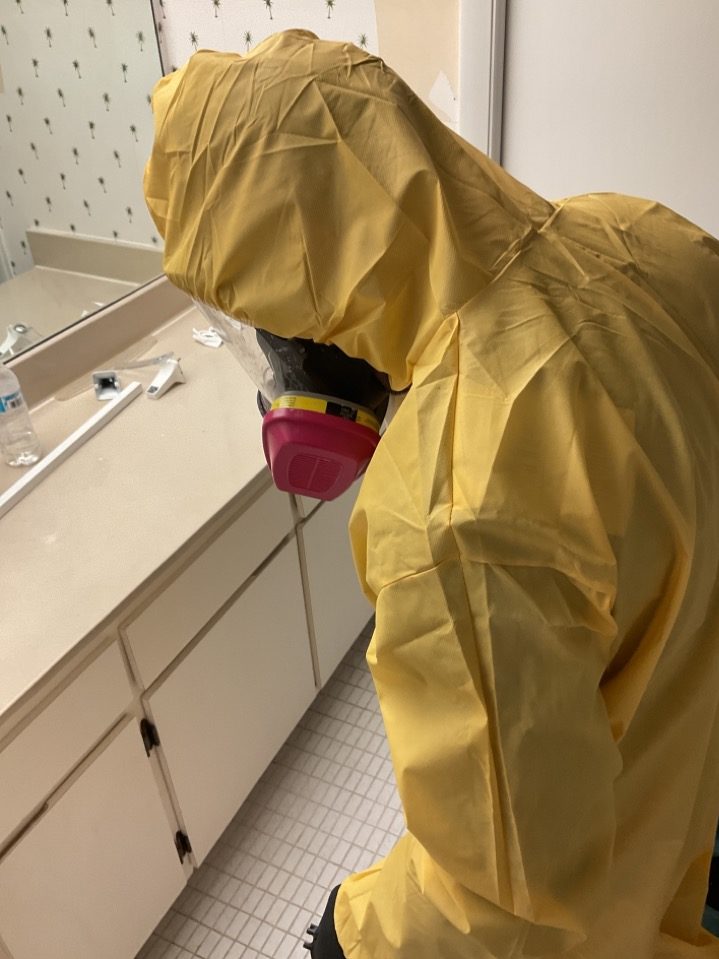
In a region like the Treasure Coast, secondary damage is a reality that property owners can’t afford to ignore. Fast-moving storms, high humidity, and older structures mean even minor disasters can lead to major restoration efforts if left untreated.
By calling Rytech Restoration of the Treasure Coast, you get more than a cleanup crew—you get an experienced, certified team committed to protecting your property and your peace of mind.
FAQs: Answering Your Pressing Secondary Damage Questions
At Rytech Treasure Coast, we know that dealing with unexpected damage can be overwhelming. To support you during this challenging time, we've created a list of FAQs. Here, you'll find comprehensive information about our services, the remediation process, and what to expect when you choose to work with us.


