
If you own a home or manage a property in Port St. Lucie, FL, you already know how quickly moisture can become a problem. Between coastal humidity, seasonal storms, and sudden water intrusions, mold growth is a common concern across Saint Lucie County and nearby areas like Fort Pierce, Jensen Beach, and Stuart. Understanding how mold remediation works helps you take control of the situation early and protect both your property and indoor environment.
Understanding Mold Problems in Port St. Lucie Homes
Mold develops when moisture meets organic materials like drywall, wood, and insulation. In Treasure Coast homes, that combination happens often. Warm air, high humidity, and occasional water intrusion create the perfect environment for mold to grow behind walls, under flooring, and in attic spaces.
Homeowners sometimes view mold as a surface issue, but it signals deeper conditions. When moisture stays present, materials begin to break down and indoor air quality changes. Industry standards confirm that microbial growth follows water exposure, which means mold always points back to a moisture source that needs attention .
What Causes Mold Growth in Saint Lucie County Homes
In Port St. Lucie and surrounding communities like Palm City and Hobe Sound, mold growth often begins with water that goes unnoticed. A small plumbing leak, roof damage from a storm, or elevated humidity inside the home can all create conditions for growth.
Bathrooms, attics, and garages are frequent problem areas, especially in homes with limited ventilation. Coastal properties near Hutchinson Island or Indian River Shores may also experience prolonged humidity exposure, which allows moisture to linger longer than expected.
The ANSI/IICRC S500 standard explains that when building materials remain wet, microbial growth begins and contamination levels increase over time . This means even a minor issue can escalate quickly if it is not addressed.
Health Concerns Linked to Mold Exposure
Living in a home with mold changes the indoor environment in ways that are hard to ignore. Some people experience coughing, congestion, or irritation that seems to persist no matter what they try.
Children, older adults, and those with respiratory sensitivities often notice symptoms first. Many homeowners across Port St. Lucie report feeling better when they leave the house, only to realize the issue is tied to indoor air quality.
Long-term exposure keeps those conditions active. That is why identifying and addressing mold early leads to better outcomes for both the home and the people inside it.
Signs You May Have Mold in Your Home
Some signs are easy to spot. Discoloration on walls, dark spotting near vents, or warped materials often point to moisture and possible mold growth. Peeling paint or bubbling drywall can also signal a hidden issue.
Other signs are less visible. A musty odor that lingers, even after cleaning, usually means mold is present somewhere out of sight. If allergy-like symptoms continue indoors but improve outside, that pattern often connects back to hidden contamination.
Mold and mildew are not the same. Mildew stays on the surface, while mold spreads into materials, requiring a more controlled remediation process.
Why Professional Mold Remediation Matters
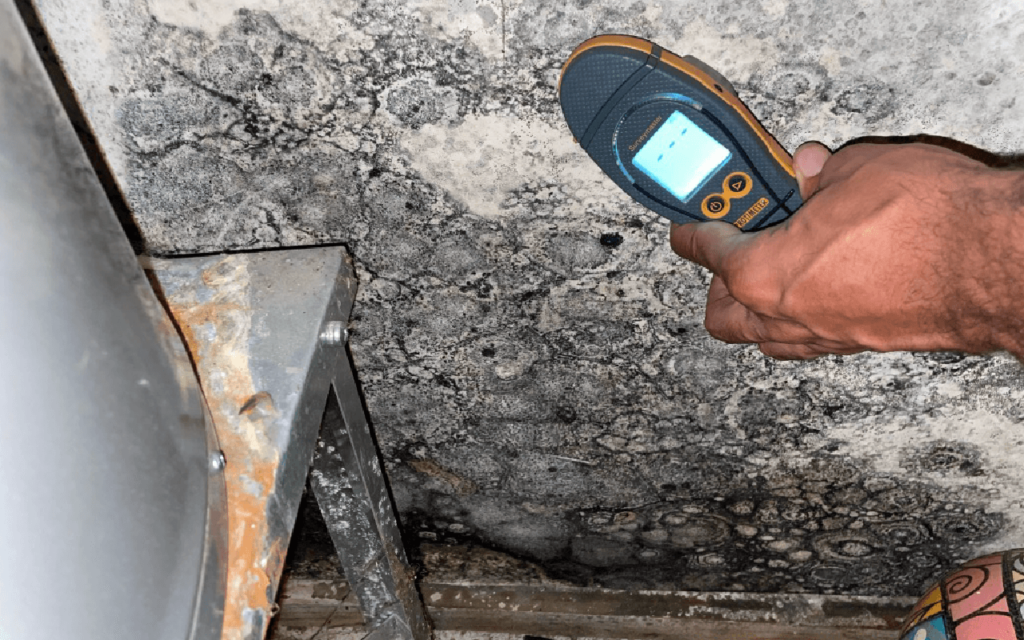
Cleaning visible mold without addressing the source leads to recurring problems. Disturbing contaminated materials without containment spreads spores into unaffected areas, making the situation worse.
Professional mold remediation follows a structured, science-based approach outlined in the ANSI/IICRC S520 standard. The process focuses on containment, air management, and safe removal of contamination while protecting the rest of the property .
At Rytech Restoration of Treasure Coast, our team uses advanced moisture detection and drying technology to locate hidden issues and stabilize the environment quickly. We focus on restoring materials whenever possible, reducing disruption and unnecessary loss.
How Mold Inspection and Testing Works
A proper inspection begins with a detailed visual assessment. Technicians evaluate visible damage and use moisture meters and thermal imaging to identify hidden water sources.
In certain cases, air or surface sampling helps define the extent of contamination. This step is especially helpful in multi-unit properties or commercial buildings across Saint Lucie and Martin counties, where conditions can vary between spaces.
The goal is to clearly define the scope so the remediation plan addresses the full extent of the issue.
What Happens During the Mold Remediation Process
Containment is the first step. Barriers and negative air systems isolate affected areas, preventing spores from spreading. Air filtration devices then capture airborne particles and improve indoor conditions during the process.
From there, technicians remove materials that cannot be restored and clean salvageable surfaces using specialized techniques. Each step follows industry-backed methods designed to return the environment to normal conditions.
Clear communication and documentation ensure homeowners, property managers, and insurance partners stay informed throughout the project.
Timeline and What to Expect During Remediation
Every project is different. A small isolated area may take a few days, while larger or hidden issues can take longer depending on the level of contamination.
Homeowners often ask how the process will impact their daily routine. In some cases, certain areas may need to remain off-limits while containment is active. Knowing what to expect helps reduce stress and keeps the process moving efficiently.
Rytech Restoration of Treasure Coast provides consistent updates, including photos and progress reports, so you always know what is happening.
Post-Remediation Verification and Indoor Air Quality
After remediation is complete, verification confirms that the process achieved its goal. Industry standards emphasize post-remediation evaluation to ensure contamination has been effectively addressed .
Third-party indoor air quality testing may be used when needed. This step provides added confidence that the environment is stable and safe for re-occupancy.
Understanding Costs and Insurance Support
The cost of mold remediation depends on the size of the affected area, how long moisture has been present, and the types of materials involved.
Insurance coverage often depends on how the moisture started. Sudden events like a pipe break may be covered, while long-term issues may fall outside of coverage. Many property owners are unfamiliar with how this works.
Rytech Restoration of Treasure Coast helps guide clients through the process with detailed documentation and clear communication, making it easier to navigate each step.
DIY Mold Removal vs. Professional Help
Small surface mold can sometimes be cleaned safely. Once mold spreads into walls, ceilings, or flooring, the situation changes.
Incomplete removal leads to recurring growth. Disturbing affected materials without proper containment spreads contamination. Professional remediation provides a controlled process that addresses both the visible and hidden problem.
Preventing Mold from Returning
Preventing mold starts with moisture control. Regular inspections of plumbing, roofing, and HVAC systems help identify problems early.
In Port St. Lucie’s humid climate, managing indoor humidity plays a major role. Dehumidifiers, improved ventilation, and proper airflow in areas like garages and attics reduce the chances of future growth.
Small adjustments today lead to long-term protection.
Building Smarter with Mold-Resistant Materials
Homeowners planning upgrades can take steps to reduce future risk. Mold-resistant drywall, treated insulation, and moisture-resistant coatings perform better in high-humidity environments.
In coastal communities across the Treasure Coast, these materials help maintain indoor conditions and support long-term property protection.
Regulations and Standards That Guide Mold Remediation
Mold remediation follows established industry standards that focus on safety, proper containment, and effective removal. These guidelines ensure that projects are handled consistently and professionally.
Organizations like the IICRC provide the framework that restoration teams follow to deliver reliable results and protect indoor environments.
Choosing the Right Mold Remediation Partner in Port St. Lucie
Selecting a qualified contractor directly impacts the outcome. Certifications, experience, and response time all matter.
Rytech Restoration of Treasure Coast combines local expertise with a national support system built on over 30 years of experience. Our team responds quickly, uses advanced technology, and provides clear documentation from start to finish .
“Here on the Treasure Coast, we see mold tied to humidity, storm-driven water intrusion, and hidden leaks in both newer and older homes. Our team understands how local construction materials react to moisture, so we contain the issue fast and restore the space with minimal disruption.”
David MacInnes, Owner, Rytech Restoration of Treasure Coast
What Homeowners Should Do Before and After Remediation
Preparing your space before remediation helps the process move efficiently. Clearing access to affected areas and securing personal items allows technicians to work safely.
After remediation, monitoring humidity levels and staying aware of new moisture issues helps maintain results. Consistent care keeps your indoor environment stable.
Take the Next Step Toward a Healthier Home

If you are dealing with mold or suspect hidden moisture in your Port St. Lucie property, now is the time to act. Learn more about our professional mold remediation services in Treasure Coast and how we help homeowners and businesses recover quickly.
FAQs: Answering Your Pressing Mold Questions
At Rytech Treasure Coast, we know that dealing with mold can be overwhelming. To support you during this challenging time, we've created a list of FAQs. Here, you'll find comprehensive information about our services, the remediation process, and what to expect when you choose to work with us.


